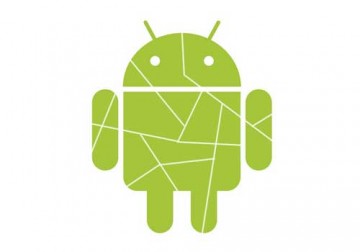
And I thought the hard drive on my old Pentium II (yep, I still have one of those still kicking) was fragmented. As it turns out, it looks like the Android operating system is decidedly more fragmented. From the report, there’s just under 4,000 different flavors of Android out there in the wide, scary, open, mobile world. What does that mean, you ask? Well, let’s look at Apple’s ecosystem for a baseline:
Apple is a more closed ecosystem, with all GUI overlays and code updates controlled from one location. Hardware and software alike are controlled with an iron fist. No one may manufacture the devices but Apple, and no one may change the operating system software but Apple. There are positives and negatives to an ecosystem like this, but that’s for another conversation. The upside to this from an adoption standpoint is an extremely high consumer adoption of the latest iOS. When iOS 5.1 was released this March, 82% of consumer devices had updated to to the latest operating system. When iOS 5.1.1 came out, the uptake was even quicker.
When you have an open system where anyone can manufacture hardware, and anyone else can install not just the operating system of their choice, but also their own graphical overlays (think: Sense, or TouchWhiz), you get a broad range of combinations of APIs, hardware and overlays that are near impossible to keep track of. In some cases, carriers will even disallow consumers from updating their operating systems because marketing hasn’t figured out how to re-brand or re-fill with bloatware (though the official line is: “We haven’t finished testing on our network”; for example, AT&T is still “testing” Gingerbread on its system).
So what does this insane fragmentation of Android devices mean for enterprises looking to deploy large quantities of tablets, or to allow a BYOD policy to come into play to manage employee personal devices at work?
1. Don’t let Android into your network! If you intend on deploying a BYOD policy, be prepared to address the security concerns that come with highly fragmented systems and build your policies to take them into account.
2. Don’t build policy without a management platform to enforce it. An iOS device running 5.1.1 with Dropbox on it is much more secure than a Gingerbread device with Dropbox. Be able to allow secure devices more access than unsecured devices.
3. Seriously consider iPads for your tablet deployments over Android or Windows counterparts (unless you work in an oil field or warehouse … then the new Panasonic Toughpads coming out look fantastic!).
We do help organizations with variations of these issues every day. BYOD doesn’t have to be a sweat-inducing process, but CIOs and IT managers do need to move forward with technology with eyes open, and not with their head in Exchange-colored sand.