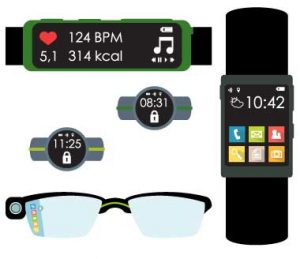
 For several years now, we’ve been watching wearable technology infiltrate our lives. From smart watches to activity trackers available from dozens of manufacturers, these devices have some people checking their wrists almost as frequently as most check their phones. While the advent of wearables seemed to be primarily focused in the consumer sector at launch, this technology has swiftly shifted into being a productivity magnet for busy adults trying to manage everything from their calendars and in-boxes to their to-do lists. As an IT leader, what should you know about wearables in the workplace?
Let’s face it: We live in a day and age where everyone wants their preferences catered to. Apple users love Apple; Android users appreciate their device flexibility and freedom from Apple confines. Some people cannot live without a desktop; others prefer the simplicity of a smart watch. And to really enhance user productivity, regardless of these preferences, you may need to be flexible about what devices you’re willing to manage. What you don’t have to compromise is your data security in the process.
The Pros
- Wearables can empower employees to better manage personal health, which can reduce the number of absences and ultimately lower healthcare costs.
- Devices like digital lanyards and smart glasses might actually increase physical security within your workplace by better managing access to secured areas.
- Employee may be able to enhance their time management using apps and productivity tracking available within their devices.
- Real-time communication can boost productivity and eliminate the dreaded smartphone distraction that we’re all used to.
- Some devices now have the ability to monitor workplace safety by alerting employees who do physical labor on the job to potentially dangerous movements and heavy lifting.
The Cons
- Some employees may be resistant to the idea of employers being a little too “Big Brother” if they think you’re watching their every personal health move.
- Given the newness still associated with wearables, there’s currently no guarantee that the data being collected is accurate.
- The possibility for inaccurate data being used in talent management and related decision-making may prove to backfire and create distrust between employer and employee.
- Without a proper platform in place, wearables add just another layer of difficulty for IT teams trying to secure data and devices across lines of business and organizations as a whole.
The bottom line is that if you’re going to implement wearables in the workplace, you need to have clear policies and procedures in place to communicate how they can be used by the employee and what data is being tracked and why from the employer. You’ll also want to ensure you have a platform like VMware’s Workspace ONE in place that offers unified endpoint management (UEM), regardless of device and OS. Contact us for assistance in device deployment and management, and the development of such policies tailored to your business.